Mercy Holidays
Registered
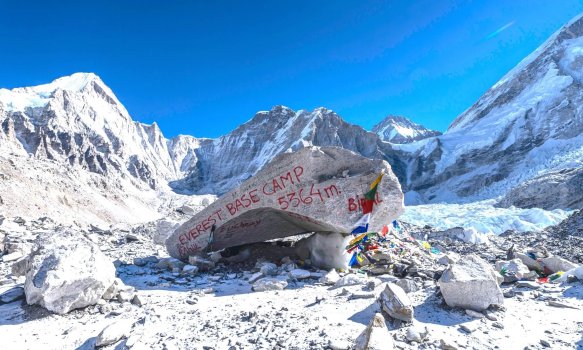
Standing at 5,364 meters, staring up at the Khumbu Icefall with Mount Everest towering somewhere above the clouds, that single moment is why more than 40,000 trekkers head into Nepal's Khumbu region every year. The Everest Base Camp (EBC) Trek isn't a climb, and you don't need mountaineering skills to do it. What it demands is preparation: the right itinerary, realistic acclimatization, honest cost expectations, and a trekking team that knows the trail in every season.
This guide walks you through everything you need before you book, the real route, the real weather, the real cost breakdown, and a day-by-day itinerary built around safety rather than speed. At the end, we'll show you how Mercy Holidays puts all of this together into one dependable, all-inclusive package.
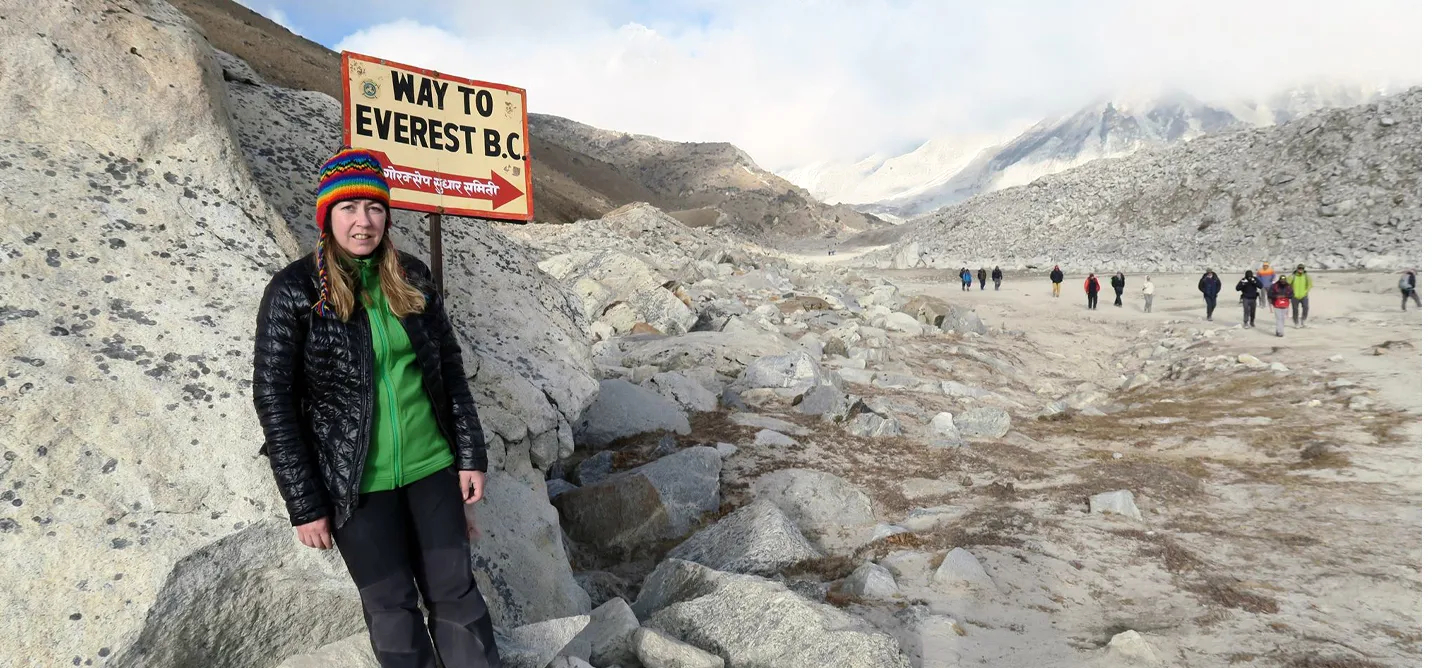
You'll see a lot of "14-day EBC" packages advertised online. On paper it looks faster and cheaper but most of those itineraries either cut a crucial acclimatization day or assume zero delays on the Lukla flight, which is one of the most weather-dependent routes in the world. Mercy Holidays runs a 15-day itinerary that keeps both acclimatization days intact, adds a buffer day in Kathmandu to absorb flight delays without wrecking your international connection, and still gets you to Base Camp and back safely. That one extra day is often the difference between trekking with a pounding headache and actually enjoying the summit views.
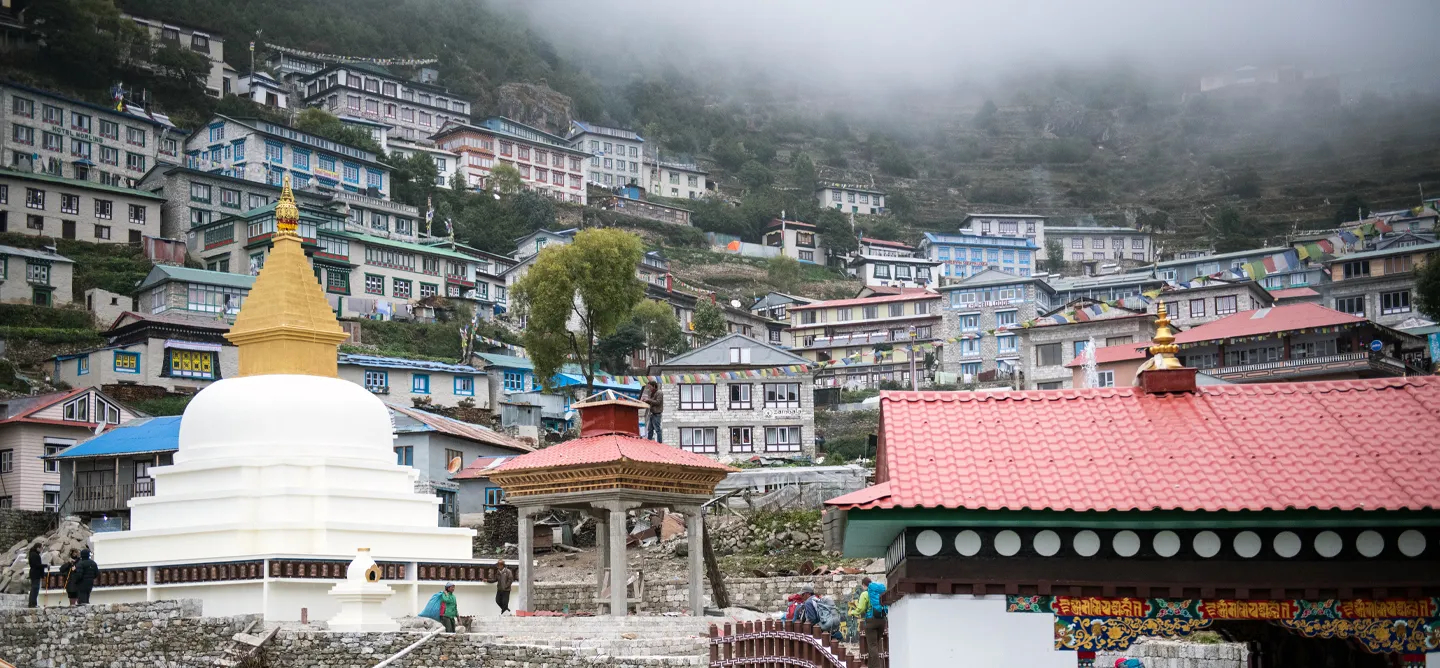
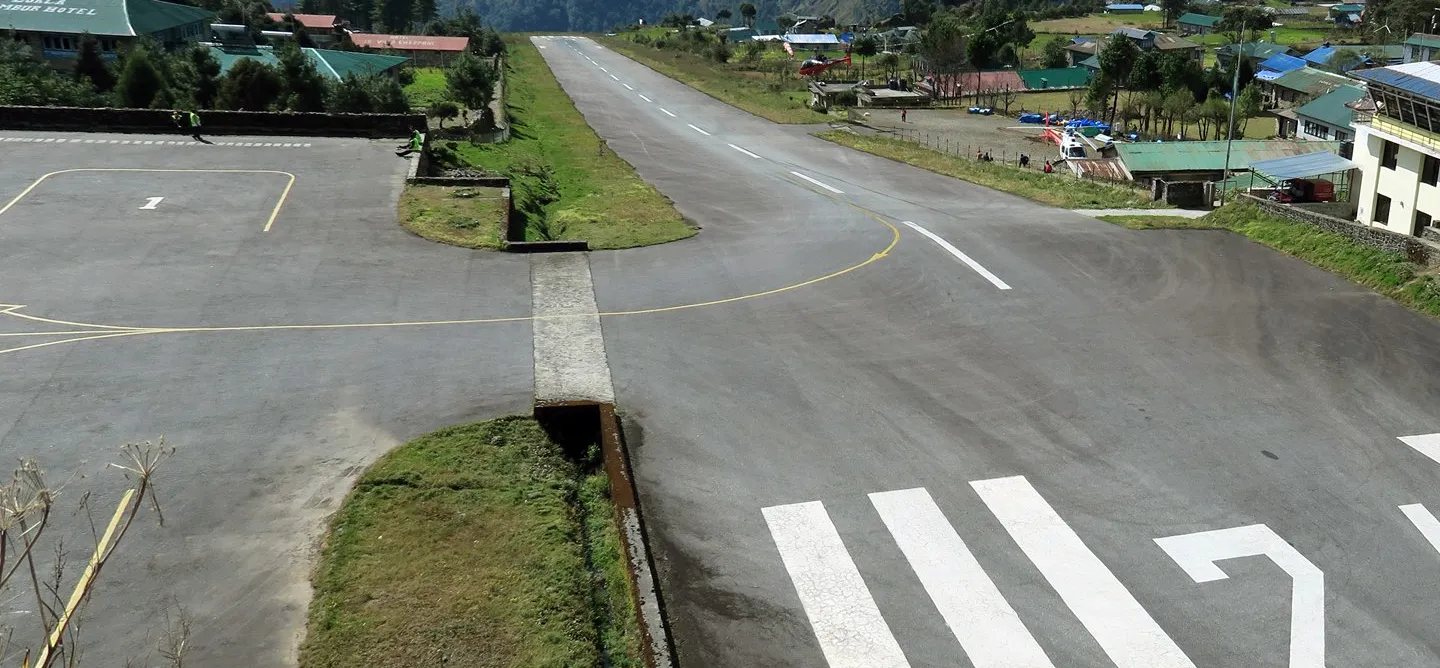
Day 2: Fly to Lukla (2,860 m), trek to Phakding (2,610 m) : 3–4 hrs, 7–8 km A short scenic flight followed by an easy first walk along the Dudh Koshi River.
Day 3: Trek to Namche Bazaar (3,500 m) : 5–7 hrs, 10–11 km Entry into Sagarmatha National Park, a crossing of the Hillary Suspension Bridge, and your first proper climb.
Day 4: Acclimatization day in Namche Bazaar (hike to Everest View Hotel, 3,880 m) : 3–4 hrs A "climb high, sleep low" acclimatization hike with your first close-up view of Everest, Ama Dablam, and Lhotse.
Day 5: Trek to Tengboche (3,860 m): 5–7 hrs, 9–10 km A descent to the river followed by a steep climb through rhododendron forest to the monastery at Tengboche.
Day 6: Trek to Dingboche (4,410 m) : 5–7 hrs, 10–11 km Past Pangboche's ancient monastery and stone-walled yak pastures into the Imja Valley.
Day 7: Acclimatization day in Dingboche (hike to Nangkartshang Peak, 5,083 m) : 3–5 hrs Your second rest-and-adapt day, with panoramic views of Lhotse and Makalu from the ridge above the village.
Day 8: Trek to Lobuche (4,910 m) : 4–5 hrs, 8 km Past the Thukla Pass memorial for climbers who lost their lives on Everest, then along the Khumbu Glacier moraine.
Day 9: Trek to Everest Base Camp via Gorak Shep (5,140 m) : 7–8 hrs, 12 km The big day. Rocky moraine trail to Gorak Shep, then an out-and-back hike to Base Camp itself, right at the foot of the Khumbu Icefall.
Day 10: Hike to Kala Patthar (5,545 m), trek to Pheriche (4,240 m) : 8–11 hrs, 15+ km A pre-dawn climb for sunrise over Everest, then a long descent to the more comfortable village of Pheriche.
Day 11: Trek to Namche Bazaar : 6–8 hrs, 15+ km A long but easier descent, dropping over 900 m, passing back through Tengboche.
Day 12: Trek to Lukla : 6–8 hrs, 15+ km The last trekking day, retracing the route through Monjo and Phakding, with a farewell dinner in Lukla.
Day 13: Fly back to Kathmandu : A short flight (weather permitting; occasionally routed via Manthali/Ramechhap), then free time in the city.
Day 14: Buffer day in Kathmandu : Built in specifically to absorb any Lukla flight delays. If your flights ran on schedule, use the day for Kathmandu Valley sightseeing Boudhanath, Pashupatinath, Swayambhunath, Patan and Bhaktapur Durbar Squares.
Day 15: Final departure : Transfer to Tribhuvan International Airport for your onward flight.
A Map Itinerary is here. Click Here for more detailed info
Autumn (September–November): Crisp, stable post-monsoon air with the clearest mountain views of the year. The other prime season, and the best time to catch the Mani Rimdu festival at Tengboche Monastery (October/November).
Winter (December–February): Fewer crowds and excellent visibility, but expect nighttime temperatures well below freezing and the possibility of snow closing higher teahouses.
Monsoon (June–August): Warm, green, and quiet but trails are slippery, leeches are common at lower altitudes, and cloud cover regularly hides the mountains.
For first-time trekkers, spring or autumn is the safer, more rewarding choice.
Fixed group departures throughout Spring and Autumn (and select winter dates) start from as low as $1,450 per person, with seats confirmed well in advance useful if you're trying to match dates with friends or don't want to pay the solo-traveler premium.
On this trek you're also covered by:
Trekking Permits Required:
Mercy Holidays has been guiding trekkers through the Himalayas since 2018, with licensed English-speaking guides, a guaranteed porter for every two trekkers, built-in emergency oxygen, and fixed departures running through 2026 and 2027 from $1,450 per person. Check our live availability, lock in your dates, and let our team handle the permits, logistics, and safety planning so all you have to do is walk.
View Departure Dates & Book Your Everest Base Camp Trek →
15 days from Kathmandu back to Kathmandu, including two acclimatization days and a weather buffer day.
2. Do I need prior trekking experience?
It helps, but it isn't required. Reasonable fitness, mental preparation, and a good guide matter more than experience.
3. What's the highest point of the trek?
Kala Patthar, at 5,545 m — higher than Base Camp itself (5,364 m).
4. Is the Everest Base Camp Trek dangerous?
The main risk is altitude sickness, which is well managed through acclimatization days, guide supervision, and emergency oxygen on hand. Serious incidents are rare when trekkers follow their guide's pacing.
5. What permits do I need?
The Sagarmatha National Park Entry Permit and the Khumbu Pasang Lhamu Rural Municipality Entrance Permit both arranged for you.
This guide walks you through everything you need before you book, the real route, the real weather, the real cost breakdown, and a day-by-day itinerary built around safety rather than speed. At the end, we'll show you how Mercy Holidays puts all of this together into one dependable, all-inclusive package.
Quick Facts
| Duration | 15 Days (Kathmandu to Kathmandu) |
| Max Altitude | 5,545 m (Kala Patthar) / 5,364 m (Base Camp) |
| Difficulty | Moderate to Challenging |
| Group Size | 1–15 people (private and group departures available) |
| Best Seasons | Spring (Mar–May) and Autumn (Sep–Nov) |
| Starting Price | From USD $1,450 per person |
| Trip Code | EBC101 |
Why 15 Days, Not 14?
You'll see a lot of "14-day EBC" packages advertised online. On paper it looks faster and cheaper but most of those itineraries either cut a crucial acclimatization day or assume zero delays on the Lukla flight, which is one of the most weather-dependent routes in the world. Mercy Holidays runs a 15-day itinerary that keeps both acclimatization days intact, adds a buffer day in Kathmandu to absorb flight delays without wrecking your international connection, and still gets you to Base Camp and back safely. That one extra day is often the difference between trekking with a pounding headache and actually enjoying the summit views.
Everest Base Camp Trek Route
The classic route runs entirely on foot once you land in the Khumbu:- Lukla (2,860 m) – the start point, reached via a short, dramatic mountain flight and a landing at the famous Tenzing-Hillary Airport
- Phakding (2,610 m) – your first overnight stop along the Dudh Koshi River
- Namche Bazaar (3,500 m) – the Sherpa capital, and your first acclimatization stop, inside Sagarmatha National Park (UNESCO World Heritage Site)
- Tengboche (3,860 m) – home to the region's largest Buddhist monastery, with front-row views of Ama Dablam
- Dingboche (4,410 m) – second acclimatization stop, with an optional hike up Nangkartshang Peak (5,083 m)
- Lobuche (4,910 m) – the last major stop before the high terrain begins
- Gorak Shep (5,140 m) – your base for the final push
- Everest Base Camp (5,364 m) – the goal, sitting right against the Khumbu Icefall
- Kala Patthar (5,545 m) – the true high point of the trek, climbed before sunrise for the best panoramic view of Everest itself
Full Day-by-Day Itinerary
Day 1: Arrival in Kathmandu (1,400 m) : Airport pickup, hotel check-in, trek briefing, and a welcome dinner with your guide and team.Day 2: Fly to Lukla (2,860 m), trek to Phakding (2,610 m) : 3–4 hrs, 7–8 km A short scenic flight followed by an easy first walk along the Dudh Koshi River.
Day 3: Trek to Namche Bazaar (3,500 m) : 5–7 hrs, 10–11 km Entry into Sagarmatha National Park, a crossing of the Hillary Suspension Bridge, and your first proper climb.
Day 4: Acclimatization day in Namche Bazaar (hike to Everest View Hotel, 3,880 m) : 3–4 hrs A "climb high, sleep low" acclimatization hike with your first close-up view of Everest, Ama Dablam, and Lhotse.
Day 5: Trek to Tengboche (3,860 m): 5–7 hrs, 9–10 km A descent to the river followed by a steep climb through rhododendron forest to the monastery at Tengboche.
Day 6: Trek to Dingboche (4,410 m) : 5–7 hrs, 10–11 km Past Pangboche's ancient monastery and stone-walled yak pastures into the Imja Valley.
Day 7: Acclimatization day in Dingboche (hike to Nangkartshang Peak, 5,083 m) : 3–5 hrs Your second rest-and-adapt day, with panoramic views of Lhotse and Makalu from the ridge above the village.
Day 8: Trek to Lobuche (4,910 m) : 4–5 hrs, 8 km Past the Thukla Pass memorial for climbers who lost their lives on Everest, then along the Khumbu Glacier moraine.
Day 9: Trek to Everest Base Camp via Gorak Shep (5,140 m) : 7–8 hrs, 12 km The big day. Rocky moraine trail to Gorak Shep, then an out-and-back hike to Base Camp itself, right at the foot of the Khumbu Icefall.
Day 10: Hike to Kala Patthar (5,545 m), trek to Pheriche (4,240 m) : 8–11 hrs, 15+ km A pre-dawn climb for sunrise over Everest, then a long descent to the more comfortable village of Pheriche.
Day 11: Trek to Namche Bazaar : 6–8 hrs, 15+ km A long but easier descent, dropping over 900 m, passing back through Tengboche.
Day 12: Trek to Lukla : 6–8 hrs, 15+ km The last trekking day, retracing the route through Monjo and Phakding, with a farewell dinner in Lukla.
Day 13: Fly back to Kathmandu : A short flight (weather permitting; occasionally routed via Manthali/Ramechhap), then free time in the city.
Day 14: Buffer day in Kathmandu : Built in specifically to absorb any Lukla flight delays. If your flights ran on schedule, use the day for Kathmandu Valley sightseeing Boudhanath, Pashupatinath, Swayambhunath, Patan and Bhaktapur Durbar Squares.
Day 15: Final departure : Transfer to Tribhuvan International Airport for your onward flight.
A Map Itinerary is here. Click Here for more detailed info
Best Time for the Everest Base Camp Trek
Spring (March–May): Mild daytime temperatures, blooming rhododendron forests, and long daylight hours. One of the two busiest and most scenic windows.Autumn (September–November): Crisp, stable post-monsoon air with the clearest mountain views of the year. The other prime season, and the best time to catch the Mani Rimdu festival at Tengboche Monastery (October/November).
Winter (December–February): Fewer crowds and excellent visibility, but expect nighttime temperatures well below freezing and the possibility of snow closing higher teahouses.
Monsoon (June–August): Warm, green, and quiet but trails are slippery, leeches are common at lower altitudes, and cloud cover regularly hides the mountains.
For first-time trekkers, spring or autumn is the safer, more rewarding choice.
Everest Base Camp Trek Cost - What You're Actually Paying For
Trek prices online range widely often because budget listings quietly leave out things like emergency oxygen, park permits, or a guaranteed porter ratio. Here's a transparent breakdown based on Mercy Holidays' EBC package:Per-Person Group Pricing
| Group Size | Price per Person (USD) |
|---|---|
| 1 person (solo/private) | $2,200 |
| 2–4 people | $1,900 |
| 5–6 people | $1,830 |
| 7–8 people | $1,750 |
| 9–10 people | $1,660 |
| 11–15 people | $1,540 |
Fixed group departures throughout Spring and Autumn (and select winter dates) start from as low as $1,450 per person, with seats confirmed well in advance useful if you're trying to match dates with friends or don't want to pay the solo-traveler premium.
What's Included
- Sagarmatha National Park entry permit and Khumbu Pasang Lhamu Rural Municipality permit
- All domestic transportation and airport transfers, including Kathmandu–Lukla–Kathmandu flights
- Twin-sharing tourist-standard hotel in Kathmandu with breakfast
- Teahouse/lodge accommodation throughout the trek
- All meals (breakfast, lunch, dinner) during trekking days
- A licensed, English-speaking trekking guide
- A porter for every two trekkers
- Emergency kit including first-aid supplies, a pulse oximeter, and emergency oxygen
- A guided tour of two Kathmandu Valley UNESCO World Heritage Sites
- A duffel bag for the trek
- All applicable government taxes and service charges
What's Not Included
- International flights and Nepal visa fees
- Personal gear, souvenirs, and other personal spending
- Travel and medical insurance, including emergency helicopter evacuation
- Tips for your guide and porter
- Any extra nights or side-trips beyond the itinerary
- Costs from flight delays or itinerary changes outside our control
Extra Costs to Budget For
- Wi-Fi, hot showers, and device charging at teahouses ($2–5 each, higher at altitude)
- Tipping: roughly $10–15 per group for your guide and $8–10 per day for your porter is standard
- Bottled or purified water and snacks on the trail
- Cash only above Namche Bazaar carry enough Nepali rupees, as there are no ATMs beyond that point
Who Can Do the Everest Base Camp Trek?
You don't need mountaineering experience trekkers from age 12 to 70+ complete this route every season. What actually matters:- The ability to walk 5–8 hours a day, several days in a row, on uneven terrain
- A baseline level of cardiovascular fitness this trek is demanding, not extreme
- Willingness to follow your guide's pacing and acclimatization schedule, even when you feel fine and want to push ahead
Altitude Sickness and Safety
Acute Mountain Sickness (AMS) becomes a real risk above roughly 3,000 m, with symptoms including headache, nausea, fatigue, and disturbed sleep. The two built-in acclimatization days at Namche Bazaar and Dingboche exist specifically to reduce that risk through the "climb high, sleep low" principle.On this trek you're also covered by:
- Guides trained in first aid and AMS recognition
- An on-trek emergency kit with a pulse oximeter and emergency oxygen
- The option to arrange helicopter evacuation if needed (this is why trekking-specific travel insurance covering altitudes above 5,000 m is non-negotiable)
Permits and Visa
Nepal Visa: Available on arrival at Tribhuvan International Airport for most nationalities you'll need a valid passport, a passport photo, and the visa fee in cash or card.Trekking Permits Required:
- Sagarmatha National Park Entry Permit
- Khumbu Pasang Lhamu Rural Municipality Entrance Permit
What to Pack
- Clothing: thermal base layers, a down jacket, a waterproof shell jacket and trousers, fleece mid-layer, warm gloves, a wool hat, a sun hat, a neck buff, and wool socks.
- Footwear: broken-in waterproof trekking boots, plus camp shoes for the evenings.
- Gear: a sleeping bag rated to at least -15°C, trekking poles, a headlamp with spare batteries, UV400 sunglasses, reusable water bottles, a daypack (25–35L), and a duffel bag for your porter-carried luggage.
- Personal items: high-SPF sunscreen, lip balm, basic toiletries, wet wipes, and any personal medication.
Accommodation and Food on the Trail
You'll sleep in twin-sharing teahouse rooms with shared bathrooms throughout the trek, warming up in communal dining rooms with a wood or yak-dung stove in the evenings. Facilities get simpler the higher you go Wi-Fi and hot showers are widely available up to Namche and Tengboche, and more limited (and paid) past Dingboche. Meals are included and generally consist of hearty, carb-heavy Nepali and international dishes dal bhat, noodles, soups, and porridge designed to keep you fueled at altitude.Ready to Stand at the Foot of Everest?
The Everest Base Camp Trek rewards preparation, not just fitness the right itinerary, a properly paced acclimatization schedule, and a team that's walked the trail hundreds of times make all the difference between a trip you survive and one you'll talk about for the rest of your life.Mercy Holidays has been guiding trekkers through the Himalayas since 2018, with licensed English-speaking guides, a guaranteed porter for every two trekkers, built-in emergency oxygen, and fixed departures running through 2026 and 2027 from $1,450 per person. Check our live availability, lock in your dates, and let our team handle the permits, logistics, and safety planning so all you have to do is walk.
View Departure Dates & Book Your Everest Base Camp Trek →
Frequently Asked Questions
1. How long does the Everest Base Camp Trek take?15 days from Kathmandu back to Kathmandu, including two acclimatization days and a weather buffer day.
2. Do I need prior trekking experience?
It helps, but it isn't required. Reasonable fitness, mental preparation, and a good guide matter more than experience.
3. What's the highest point of the trek?
Kala Patthar, at 5,545 m — higher than Base Camp itself (5,364 m).
4. Is the Everest Base Camp Trek dangerous?
The main risk is altitude sickness, which is well managed through acclimatization days, guide supervision, and emergency oxygen on hand. Serious incidents are rare when trekkers follow their guide's pacing.
5. What permits do I need?
The Sagarmatha National Park Entry Permit and the Khumbu Pasang Lhamu Rural Municipality Entrance Permit both arranged for you.